The face is a reflection of age, health, and self-confidence. As we grow older, the skin gradually loses its elasticity, fine lines begin to appear, the cheeks start to sag, and the jawline becomes less defined. Although aging is a natural process, many people wish to slow down these visible signs in order to maintain a fresh and youthful appearance.
One of the most effective medical procedures for this purpose is a facelift, medically known as rhytidectomy. This surgical procedure is designed to tighten the skin of the face and neck, restoring natural facial contours without creating an artificial or overly “pulled” look.
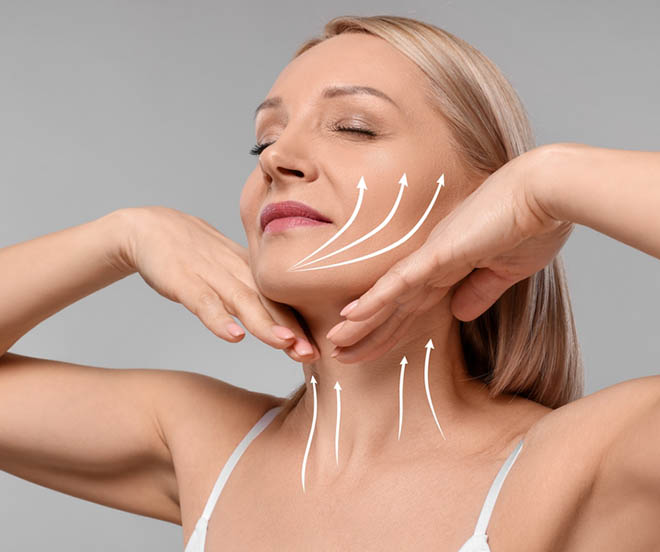
A facelift is a cosmetic surgical procedure aimed at reducing visible signs of aging on the face and neck. It works by lifting and tightening sagging skin and underlying muscles, resulting in a younger, fresher, and more proportionate appearance.
Unlike non-surgical treatments such as fillers or Botox, which offer only temporary results, a facelift targets deeper layers of the skin and facial structures. This is why facelift results are long-lasting, typically ranging from 8 to 15 years, depending on the technique used and the patient’s skin condition.
Aging is a biological process that cannot be stopped, but it can be slowed. Several key factors contribute to the loss of skin firmness:
1. Decreased Collagen and Elastin Production
Collagen and elastin are essential proteins that keep the skin firm and elastic. After the age of 30, their production decreases by approximately 1–2% per year.
2. Sun (UV) Exposure
Ultraviolet radiation accelerates collagen breakdown, leading to premature wrinkles, especially around the cheeks and eyes.
3. Unhealthy Lifestyle Habits
Smoking, lack of sleep, chronic stress, and poor nutrition can significantly accelerate skin aging.
4. Gravity and Loss of Facial Fat Volume
Over time, the fat pads that support facial structure descend due to gravity, causing the face to appear saggy or droopy.
A facelift helps reposition these descended tissues, restoring the face to its natural, youthful structure—not by overstretching the skin, but by correcting the underlying anatomy.
Facelift surgery is not a one-size-fits-all procedure. In aesthetic medicine, several techniques are available and tailored to the patient’s degree of aging and individual needs:
1. Mini Facelift
Ideal for patients aged 35–45 who show early signs of aging such as fine lines and mild sagging around the jawline or cheeks. This technique uses smaller incisions and offers a quicker recovery, though results typically last 5–7 years.
2. Standard Facelift
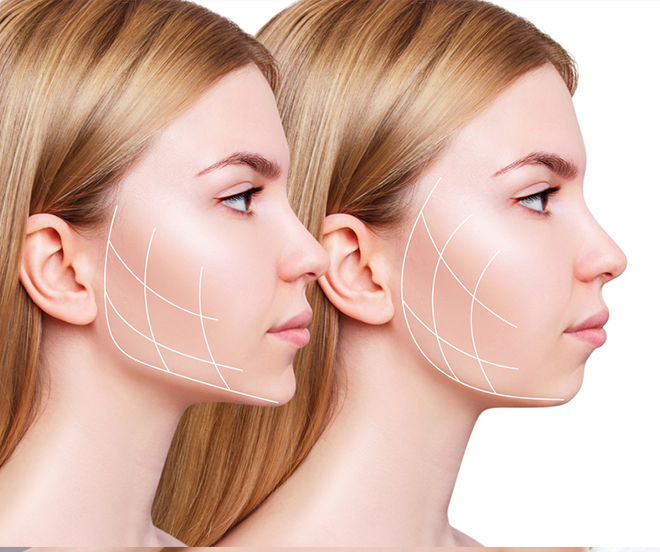
Recommended for patients with moderate to severe facial sagging. Incisions are made around the temples, ears, and hairline to lift deeper facial tissues. Results are more comprehensive and can last 10–15 years.
3. Neck Lift
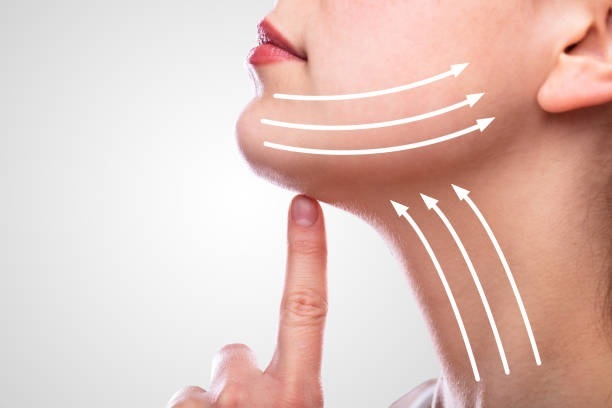
Often performed in combination with a facelift to tighten the lower face and neck, eliminating double chin and loose neck skin.
4. Deep Plane Facelift
The most advanced technique, targeting deeper muscle layers for highly natural, non-stiff results. At Ultimo Clinic, this method is performed as an Extended Deep Plane Facelift & Neck Lift, offering comprehensive rejuvenation by restoring facial structure rather than merely tightening the skin.
Facelift surgery must be carried out by an experienced plastic or aesthetic surgeon due to the complexity of facial anatomy.
The general stages include:
1. Consultation and Facial Analysis
The surgeon evaluates skin condition, elasticity, and areas requiring correction. Patients are informed about expected results, risks, and recovery.
2. Preoperative Preparation
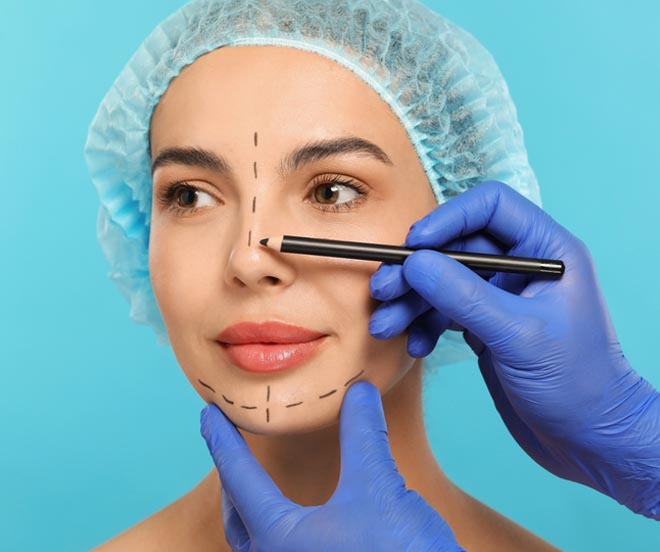
Patients undergo medical evaluations and are advised to stop smoking and avoid blood-thinning medications. The surgeon determines incision placement based on individual needs.
3. Anesthesia
Facelift procedures are performed under general anesthesia or sedation, ensuring patient comfort throughout the surgery.
4. Incisions and Tissue Repositioning
Incisions are strategically placed along the hairline, temples, or behind the ears to conceal scars. Underlying muscles and tissues are lifted and tightened, while excess skin is adjusted naturally.
5. Wound Closure
Incisions are closed with fine sutures or medical skin adhesive. Elastic bandages are applied to minimize swelling and support the new facial contours.
6. Recovery
Patients may return home the same day or stay overnight for observation. Full recovery typically takes 10–14 days before resuming normal activities.
Significant improvements become visible within 2–3 weeks post-surgery. The face appears firmer, the jawline more defined, and the skin refreshed—without sacrificing natural facial expressions.
A facelift does not change who you are; it simply restores your appearance to how you looked 10–15 years younger.
Common improvements include:
Softer nasolabial folds
Lifted cheeks
A sharper, more defined jawline
A smoother, tighter neck
Beyond aesthetic enhancement, facelift surgery also offers psychological benefits:
Improved Self-Confidence
A rejuvenated appearance often leads to increased confidence in social and professional settings.
Natural and Long-Lasting Results
Modern techniques such as deep plane facelift avoid a tight or unnatural look.
Restored Facial Proportions
Particularly effective in correcting sagging cheeks and jawline.
Overall Skin Quality Improvement
Enhanced blood circulation post-surgery supports skin regeneration.
Although generally safe, facelift surgery carries potential risks, including:
Mild swelling or bruising (resolves within 1–2 weeks)
Temporary numbness around incision areas
Rare risk of infection when performed in sterile facilities
Small scars that fade over time
Choosing a reputable clinic with experienced surgeons is essential. At Ultimo Clinic, facelift procedures are performed under international hospital standards with comprehensive post-operative monitoring.
To maximize results and longevity, patients are advised to:
Avoid strenuous activities for at least two weeks
Consume a nutritious diet rich in protein and vitamin C
Sleep with the head elevated
Avoid smoking and direct sun exposure
Use sunscreen and skincare products as prescribed
These measures promote faster healing and help maintain skin firmness.
Facelift surgery is suitable for men and women who:
Are over 40 years old
Have sagging facial or neck skin
Experience loss of jawline definition
Desire natural-looking rejuvenation
Patients under 40 may also consider mini facelift or neck lift procedures if early signs of aging appear.
A facelift is more than a cosmetic procedure—it is a comprehensive facial rejuvenation that helps individuals look younger while preserving natural expression. When performed with the right technique and expertise, facelift surgery delivers natural, balanced, and long-lasting results.
The key lies in choosing a credible clinic and an experienced surgeon, as this procedure involves the intricate anatomy of the face.