
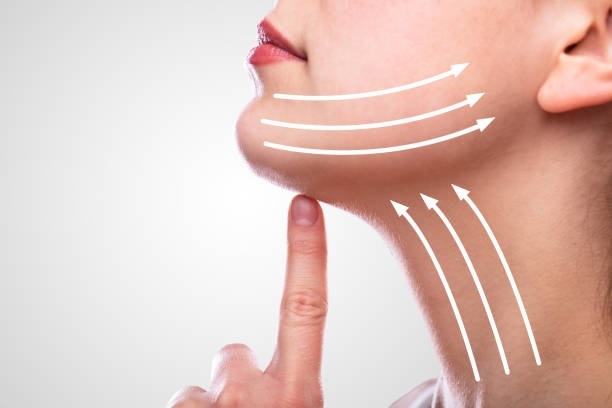
The face is a reflection of a person's age, health and self-confidence. With age, the skin loses its elasticity fine lines begin to appear, the cheeks appear sagging, and the jaw becomes less defined. Although aging is a natural process, many people want to slow down these signs to keep looking fresh and young.
One of the most effective medical procedures for this purpose is a facelift, or in medical terms known as rhytidectomy. The operation is designed to tighten the skin of the face and neck, restore the natural contours of the face without making it look “fake” or exaggerated.
What Is Facelift Surgery?

Facelift is an aesthetic surgical procedure aimed at reducing the signs of aging on the face and neck. This procedure is performed by lifting loose skin and muscle tissue, then tensing it naturally to make the face look younger, fresher, and proportional.
In contrast to non-surgical treatments such as fillers or botox that only provide a temporary effect, a facelift acts on the deeper layers of the skin. This is what makes the results of a facelift can last a long time, usually between 8 to 15 years, depending on the technique and the patient's skin condition.
Why Can Facial Skin Sag?
Aging is a biological process that cannot be stopped, but it can be slowed down. There are several main factors that cause facial skin to lose its firmness, including:
- Decreased production of collagen and Elastin
Collagen and elastin are important proteins that keep the skin supple and firm. After the age of 30, its production decreases by about 1-2% per year. - Exposure to sunlight (UV)
UV exposure accelerates the breakdown of collagen fibers and accelerates the appearance of wrinkles, especially in the cheek area and around the eyes. - Unhealthy Lifestyle
Smoking, lack of sleep, stress, as well as poor diet can accelerate the aging process of the skin. - Gravity and decrease in the volume of facial fat
Over time, the fatty tissue that supports the skin of the face descends downward due to gravity, causing the face to appear “down” or sagging.
Facelift helps lift back the skin and muscle tissue that goes down, so that the structure of the face looks like when you are younger not by pulling the skin excessively, but by restoring the natural position of facial tissue.
Types Of Facelift
Facelift is not only one type. In the world of Aesthetic Medicine, this procedure has several techniques adapted to the needs and degree of aging of the patient. Here's the explanation:
1. Mini Facelift
Suitable for patients aged 35-45 years who are starting to experience mild signs of aging such as fine lines and slight sagging in the jaw or cheek area. This procedure uses small incisions and fast recovery time, but the results last shorter (about 5-7 years).
2. Standard Facelift
Intended for patients with moderate to severe sagging facial skin.
The doctor will make incisions around the temples, ears, and hairline to remove muscle tissue and skin. This technique gives a more thorough result and can last 10-15 years.
3. Neck Lift (Pengencangan Leher)
It is usually performed in conjunction with a facelift to tighten the lower areas of the face and neck, removing the “double chin” or folds of neck skin.
4. Deep Plane Facelift
The most modern and advanced techniques, targeting the deepest layers of muscle so that the results look very natural and not stiff. This is the method used in Ultimo Clinic, known as Extended Deep Plane Facelift & Necklift the result is more comprehensive, not only tightening the skin but also restoring the structure of the face as before.
How Is Facelift Surgery Performed?
The facelift procedure should be performed by an experienced plastic or aesthetic surgeon as it concerns complex facial structures.
In general, the stages of a facelift are as follows:
1. Facial consultation and analysis
Very important initial stage. The doctor will evaluate the skin condition, elasticity and areas of the face that need improvement.& nbsp; patients will also be informed about the expected results, risks, and recovery process.
2. Preparation Before Surgery
The patient underwent a medical examination and was asked to stop smoking and avoid blood-thinning medications before surgery. The doctor then determines the incision area as needed.
3. Anesthesia
Facelift is performed under sedation anesthesia, depending on the duration and complexity of the action. The goal is for the patient to feel comfortable and not feel pain during the procedure.
4. Incision Making
The doctor makes incisions around the hairline, temples, or behind the ears, so that the scars are hidden later.The layers of muscle and tissue under the skin will be lifted and tightened, while the skin is adjusted to look smooth and natural.
5. Wound Closure
After the facial structure has been repaired, the incisions are closed with fine sutures or a special skin adhesive.An elastic bandage is put on to reduce swelling and maintain a new face shape.
6. Recovery
After surgery, the patient can return home the same day or stay one night for observation. The recovery process generally takes 10-14 days before the patient can move normally.
Expected results after a Facelift
Patients usually begin to notice significant changes after 2-3 weeks postoperatively.
The face appears firmer, the jawline is firm again, and the skin looks fresher without losing its natural expression.
The result of a facelift does not make a person “someone else”, but rather restores the appearance of the face like 10-15 years younger.
Examples:
- The smile line (nasolabial fold) becomes smoother.
- Sagging cheeks are raised again.
- The jaw (jawline) is more firm and neat.
- The neck appears tight and free of skin folds.
Benefits Facelift
In addition to the obvious aesthetic benefits, a facelift also gives a positive psychological effect. Some of its main benefits include:
- Increase Self-Confidence
A fresh and youthful face makes the patient feel more confident in interacting. - Natural and long lasting effect
With modern techniques such as the deep plane facelift, the results do not appear “drawn in” or rigid. - Restoring Ideal Facial Proportions
Facelift improves facial contours, especially on the cheeks and jaw that often drop due to gravity. - Improves Skin Quality In General
Blood circulation in the face increases post-action, supporting the regeneration of new skin cells.
Possible side effects and risks
Although relatively safe, facelift is still a surgical medical procedure that has risks, such as:
- Mild swelling or bruising (disappears within 1-2 weeks).
- Temporary numbness in the incision area.
- Risk of infection (rare when performed in a sterile clinic).
- Small scars that usually fade over time.
The main key is to choose a clinic with full facilities and experienced doctors.
For example, at Ultimo Clinic, all facelift procedures are carried out with international hospital standards as well as strict postoperative monitoring.
Care After Facelift Surgery
In order for the result of the facelift to be maximum and lasting, patients are advised:
- Avoid strenuous activity for 2 weeks.
- Eat healthy foods high in protein and vitamin C.
- Sleep with your head higher.
- Do not smoke and avoid exposure to direct sunlight.
- Use sunscreen and skincare as recommended by your doctor.
This treatment helps to accelerate tissue recovery and maintain skin firmness for longer.
Who is suitable for a Facelift?
Facelift is suitable for both men and women who:
- Over 40 years old,
- Have sagging skin on the face or neck,
- Decreased jaw line,
- Want natural results without extreme changes.
But even patients under the age of 40 can consider a mini facelift or a necklace if signs of aging have begun to appear earlier.
A Facelift Is A Long-Term Aesthetic Investment
Facelift is not just a beauty procedure it is a form of all-round facial rejuvenation that helps a person look younger without losing their natural expression. When done with the right technique and expertise, facelifts are able to provide natural, proportional, and long-lasting results.