
Jaw Correction Solution For More Balanced Face And More Optimal Function
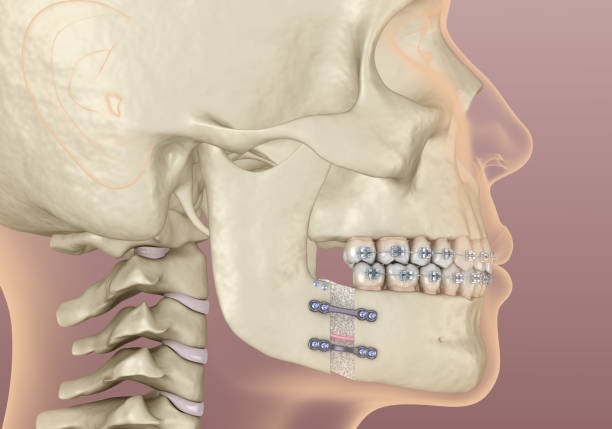
The Shape of the jaw has an important role in shaping the structure of the face. When the position of the upper jaw and lower jaw is not aligned, the face can look less proportional. Not only does it affect appearance, this condition can also have an impact on daily functions, such as chewing, talking, and breathing.
For some people, jaw problems are not adequately treated with just regular dental care. In certain conditions, more comprehensive measures are needed to improve the structure of the jaw precisely. One procedure that can be a solution is orthognathic surgery or jaw correction surgery.
Orthognathic surgery is a surgical procedure designed to correct imbalances in the jaw and facial bones. This procedure is performed with the aim of repositioning the jaw to make it more aligned, proportional, and functioning properly. With careful planning, this procedure can help create a more harmonious face while improving the patient's quality of life.
What Is Orthognathic Surgery?
Orthognathic surgery is a jaw surgery performed to correct abnormalities in the position of the upper jaw, lower jaw, or both. The condition of the jaw that is not aligned can cause the appearance of the face to look unbalanced, improper bite, and disruption of oral function.
This procedure focuses not only on the aesthetic aspect. Orthognathic surgery also aims to improve oral function, such as the ability to chew, speak, and breathe. Therefore, this operation is usually planned in detail based on the anatomical condition of the face and the needs of the patient.
In some cases, patients with a forward jaw, backward jaw, asymmetrical face, or severe malocclusion may consider orthognathic surgery after a doctor's examination. Each condition certainly requires a different approach, so consultation becomes a very important first step.
Why Does The Jaw Position Need To Be Fixed?
An unbalanced jaw can lead to various complaints. Aesthetically, the position of the jaw that is less proportional can make the shape of the face look less harmonious. For example, the chin looks too forward, the lower jaw seems too backward, or the face looks asymmetrical.
In terms of function, jaw misalignment can also interfere with the process of chewing food. Improper bite can make the teeth work harder, potentially even causing discomfort in the jaw joint. In addition, some patients may also have difficulty speaking clearly or certain breathing disorders due to a less than ideal jaw structure.
With orthognathic surgery, the jaw position can be corrected to be more optimal. The goal is to help patients find a balance between function and aesthetics, rather than simply changing the shape of the face.
Who Is a Suitable Candidate for Orthognathic Surgery?
Ideal candidates for orthognathic surgery are individuals who have jaw imbalances, bite disorders, or function problems due to disproportionate jaw positions. This procedure can also be considered by patients who feel that their face shape is less balanced due to the structure of the jaw.
However, not everyone with jaw complaints immediately needs an operation. The doctor needs to do a thorough evaluation First, ranging from facial examination, dental condition, bone structure, to the patient's medical history. In some cases, orthodontic treatments such as stirrups may be required before or after surgery to support more optimal results.
Patients also need to have realistic expectations. Orthognathic surgery can make significant changes, but the best outcome depends on the patient's initial condition, Action Planning, healing process, and compliance during the recovery period.
How is the orthognathic surgery procedure performed?
Orthognathic surgery dilakukan melalui perencanaan yang sangat detail. The doctor will evaluate the structure of the patient's jaw and face to determine the areas that need correction. At this stage, examinations such as facial photographs, X-rays or 3D modeling can be used to help draw up an action plan more precisely.
The procedure is usually performed through an incision inside the mouth or jaw area, so that external scars can be minimized. The doctor will then reposition the upper jaw, lower jaw, or both according to the surgery plan. After the jaw is in the ideal position, the structure is stabilized using special plates and screws.
This surgery is generally performed under general anesthesia and can last for several hours, depending on the degree of complexity of the case. Because it involves facial structure and oral function, orthognathic surgery requires careful handling and the cooperation of an experienced medical team.
Recovery Period After Jaw Surgery
After undergoing orthognathic surgery, patients will usually experience swelling and discomfort in the face or jaw area. This condition is common and will gradually decrease in a few weeks.
During the recovery period, patients are generally advised to consume liquid or soft foods first. Heavy activity also needs to be avoided until the doctor States the condition is safe enough. In addition, maintaining oral hygiene is essential to support healing and prevent complications.
Regular control after surgery is also an important part of the recovery process. Through regular check-ups, the doctor can monitor the progress of healing, ensure that the jaw position remains stable, and provide direction according to the patient's condition.
Initial results usually begin to be seen after the swelling has reduced. However, the final result will be even more pronounced after the tissue has completely recovered and the jaw adapts to its new position.
Expected results
Orthognathic surgery can help create a more balanced, proportionate, and natural face. In addition to changes in appearance, patients can also feel improvements in chewing, speaking, and breathing functions, depending on the initial condition experienced.
For patients who previously felt less confident due to The Shape of the jaw, the procedure can also have a positive impact on comfort and quality of life. However, it is important to understand that each result is individual. Therefore, consultation with a doctor becomes the main step to find out the most realistic possible outcome.
Why Choose Ultimo Clinic?
Choosing the right clinic is very important before undergoing orthognathic surgery. This procedure is not a simple procedure, so it requires careful diagnosis, detailed planning, and treatment by medical personnel who understand the structure of the face and jaw function thoroughly.
Ultimo Clinic can be an option for those of you who want to treat jaw problems with a professional approach. Through orthognathic surgery services, Ultimo Clinic helps patients improve jaw balance, improve oral function, and create a more harmonious facial appearance.
Ultimo Clinic prioritizes a personalized approach, starting from the initial consultation, evaluation of the patient's condition, Action Planning, surgery process, to postoperative care. With comprehensive assistance, patients can feel more comfortable in undergoing each stage of treatment.
If you have complaints such as misaligned jaws, improper bite, less symmetrical face, or difficulty chewing due to jaw structure, consultation at Ultimo Clinic can be the first step to get a suitable solution.
Conclusion
Orthognathic surgery is a jaw correction procedure that can help correct facial balance while improving oral function. This procedure not only provides aesthetic benefits, but can also help patients feel more comfortable in their daily activities.
With proper planning and professional handling, jaw surgery can be a solution for those of you who want to get a more proportional face and more optimal jaw function. To find out if this procedure is suitable for your condition, Ultimo Clinic is ready to help through a thorough consultation and evaluation with its professional team.